One of the reasons the doctrine of the Trinity is so important and essential is that it exalts Jesus and shows that God Himself approached humanity. Jesus is the second person of the Trinity; therefore, we are not speaking about a godly person or a prophet, but about God Himself, who approached humanity. All of this happened and was made possible through Jesus’ sacrifice, which reconciles us to the Father. This sacrifice is so effective because it was made by Jesus, who is God Himself and a person of the Godhead. Jesus was also called Immanuel, according to an ancient biblical prophecy found in Isaiah 7:14, which means “God with us.”
People struggle to believe that God Himself approached us. Therefore, even if they believe in some kind of higher power that they call God, they do not accept God’s way of salvation—sending Jesus to die on the cross for us. This is one of the reasons they do not believe in the Trinity—because the Trinity shows that God Himself came to live among us and made that sacrifice. By accepting this doctrine and way of believing, which reveals God’s way of salvation for humanity, they would also have to accept everything else Jesus said about salvation, justice, and the final judgment. These truths are not always comfortable to hear or accept.
Why is this doctrine so important for believers? Because it confirms the very essence of what Christianity stands for—it exalts Jesus, showing us that He is not an ordinary godly man but is divine. It also confirms the core of Christianity: that God directly showed His love toward humanity through the sacrifice of His Son, who willingly gave Himself for us. And because of this, everything God says about how people need to be saved and what they need to be saved from is true.
Not everyone completely denies the existence of God. Many are willing to believe in a higher power that they call God, yet they reject Christianity. Christianity is not merely a religion that offers good moral teachings and rules; it reveals God’s way of salvation for humanity.
The apostle John explicitly warned that whoever denies that Jesus Christ came in the flesh is not of God and displays the spirit of the Antichrist (1 John 4:2–3; 2 John 1:7). Jesus truly came in the flesh, taking human form and making Himself a servant (Philippians 2:7). In this way, we see how He who is divine approached us, which gives even greater value to His sacrifice. Denying this diminishes what He did, and it would not be as effective as it is. Therefore, believing in the doctrine of the Trinity exalts God’s way of salvation because it confirms that Jesus came in the flesh and that He is part of the Godhead. I understand that people may struggle to explain or comprehend this doctrine, but whoever is born of the Spirit has already accepted this truth in his heart and will give Jesus the glory that is due to Him. He will acknowledge it in his spirit. That person may not be able to explain the doctrine himself with theological accuracy, but he will exalt Jesus because he knows that he has been saved through Him.
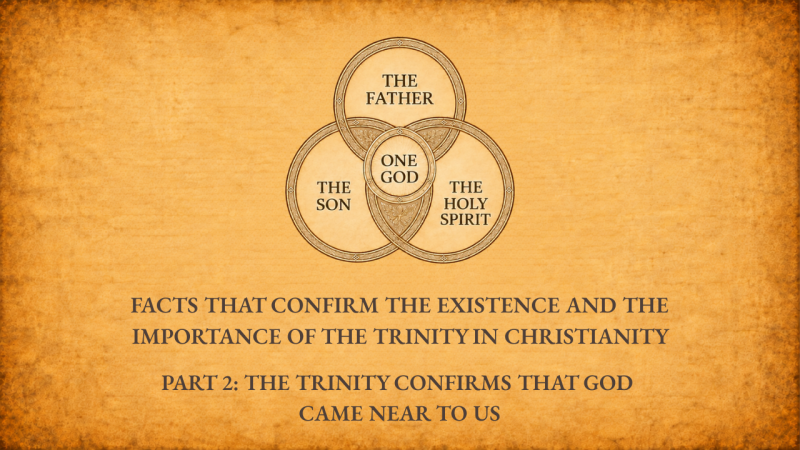
As we have already said, God would not share His glory with anyone else, yet He shares it with Jesus because, in doing so, He is not sharing His glory with someone other than God. Rather, He is glorifying Himself, because each person of the Godhead glorifies the one God. God is one, yet He exists in three persons: the Father, the Son, and the Holy Spirit. Each person has a distinct role and function. I have sometimes been asked to whom people should pray—to God or to Jesus—what they should say in their prayers, and whether it is wrong to pray to Jesus without specifically mentioning God. I answered that, in this respect, it is the same. Whoever has been born again connects with God in his spirit when he prays to and exalts Jesus.
Since ancient times, there have been movements with a wrong understanding of Jesus’ mission and His coming to earth. Some may have made these mistakes genuinely, without realizing what their misunderstanding of His coming could lead to, while others did not fully believe in what His coming and mission were about. One way or another, misunderstandings concerning Christian doctrine can grow into something much more serious over time and lead people astray. Jesus is worthy of being exalted because He is the One who accomplished our salvation by dying on the cross, and He is a person of the Godhead. He is God and is divine.
That is why the Bible says that He is the way, the truth, and the life. That is also why He is so highly exalted. He is not merely a prophet or a godly man. Since the early centuries of Christianity, there have been movements and systems of belief that denied that Jesus came in the flesh, thereby denying that God directly approached humanity. That is why John warned believers about those who denied that Jesus Christ came in the flesh (1 John 4:2–3; 2 John 7).
“By this you know the Spirit of God: Every spirit that confesses that Jesus Christ has come in the flesh is of God, and every spirit that does not confess that Jesus Christ has come in the flesh is not of God. And this is the spirit of the Antichrist, which you have heard was coming, and is now already in the world.” (1 John 4:2–3)
There were movements such as Docetism and certain forms of Gnosticism that denied that Jesus came in the flesh. The teaching known as Docetism appeared during the early centuries of Christianity and became more clearly developed during the second century. According to it, Jesus only appeared to have a human body, while His physical existence and suffering were not considered fully real. Around the same period, Gnosticism also flourished. Many Gnostic groups believed that salvation came through special or hidden spiritual knowledge and that human beings possessed a divine spark trapped within the material body. Because many of them regarded the spiritual realm as good and physical matter as inferior, corrupt, or evil, some Gnostic groups also denied that Jesus had truly assumed a physical human body.
These beliefs were connected with certain forms of dualism, which had existed long before Christianity. Such dualism sharply separated spirit from matter, often regarding spirit as good and physical matter as inferior or evil. This way of thinking helped lay the foundation for the belief that Jesus came only as a spirit and merely appeared to possess human flesh.
This belief is also connected to the difficulty people have in accepting that the divine Son could take on a human body and live among us—that God Himself came near to us. He not only did this but also died for us on the cross. People generally also struggle to believe that the Holy Spirit, who is the third person of the Godhead, can inhabit an ordinary believer.
Even if they do not say it directly, I think this lies at the core of why they struggle to believe in the Holy Spirit and the doctrine of the Trinity. They struggle to believe that an ordinary person who has given their life to Christ and has faith can hear God’s guidance and know His will in part. I am not comparing a believer with Jesus Christ. I am simply stating that a person who has come to know Christ and is indwelt by the Holy Spirit can know God and discern His will. That person does not possess the divine attributes of Jesus but is sustained by the Holy Spirit.
Confirming that Jesus came in the flesh also confirms that He suffered and humbled Himself by becoming a man. His flesh was crucified, which also has a symbolic meaning, and He showed us how we, as human beings, can live a godly life. He showed us that this could be done in the flesh. Of course, He was the Son of God and was perfect, but we are not alone in doing this. He said that He would always be with us, and the Holy Spirit helps us to do this.
Free Christian Books
Download these free Christian books, written to edify your life, strengthen your faith, and help you grow in your walk with Christ.


Add comment
Comments